Quick answer: Compare basement estimates by matching the work first—not by ranking headline prices. Give each contractor the same scope, identify allowances and exclusions, and request written prices for missing work. Then compare permit responsibility, payment milestones, warranties and change-order terms. The Federal Trade Commission recommends multiple written estimates and warns against automatically choosing the lowest bidder. (consumer.ftc.gov)
This guide is for U.S. homeowners. Legal examples identify their jurisdictions; they are not nationwide rules. All amounts in the worked example are hypothetical U.S. dollars, not market prices or contractor quotes.
1. Give every contractor the same basement scope
Start with one project description and a dated sketch or plan. Ask every bidder to price that version. If you revise the bathroom layout or remove a bedroom, send the change to everyone.
Your scope should identify:
- Rooms to finish and spaces to leave unfinished.
- Bathroom, laundry or kitchenette work, if applicable.
- Existing finishes to remove.
- Doors, windows and window wells to retain or change.
- Flooring, wall and ceiling finishes.
- Electrical, plumbing and heating or cooling work to assess and price.
- Any separately planned moisture, drainage or other specialist work.
Ask bidders to list assumptions beside their prices. Useful questions include: “Does this assume the existing bathroom rough-in can be reused?” and “Is any work outside the basement included?”
The FTC says written estimates should describe the work, materials, completion date and price. Use those as the minimum fields—not as a substitute for a detailed scope. (consumer.ftc.gov)
Practical check: Put the same scope date on each estimate. Keep optional upgrades separate from the base project so they do not distort the comparison.
2. Match quantities, materials and installation details
Replace broad labels such as “finish basement” or “standard bathroom” with descriptions you can compare. California’s contractor regulator recommends identifying material quantities, product details and how work will be performed. (cslb.ca.gov)
Ask each bidder to clarify:
| Estimate line | What to clarify |
|---|---|
| Finished area | Which rooms and unfinished areas are counted? |
| Framing and walls | Which walls are new, retained or removed? |
| Flooring | Which rooms, product, preparation and transitions are included? |
| Ceiling | Which areas receive drywall, another finish or no finish? |
| Doors and trim | How many, what type, and is finishing included? |
| Lighting and electrical | Which fixtures and locations are priced, and what existing-system assumptions apply? |
| Bathroom | Which fixtures, finishes and plumbing connections are included? |
| Windows and wells | Retain, replace or alter—and what surrounding work is included? |
These are clarification prompts, not construction specifications. Have qualified professionals determine appropriate assemblies and system requirements.
Do not force every contractor to disclose internal labor rates or profit. Instead, request enough detail to establish the promised result and the price of meaningful alternatives.
Common mistake: Comparing price per square foot before confirming that both contractors counted the same area and included the same work.

3. Separate allowances from exclusions and unresolved work
An allowance is a budget amount for an item not yet fully selected. CSLB’s public contract-writing guide illustrates allowances for undecided materials, fixtures and finishes, with written adjustments when actual costs differ. Do not assume another contractor uses the same allowance terms. (cslb.ca.gov)
For each allowance, ask:
- Is it for materials only or an installed result?
- Are tax, delivery and contractor markup included?
- What happens if the selection costs less?
- When must the selection be made?
- How will an overage be approved?
An exclusion is work outside the offered scope. Mark it as an owner responsibility, separately contracted work or an item requiring a revised price.
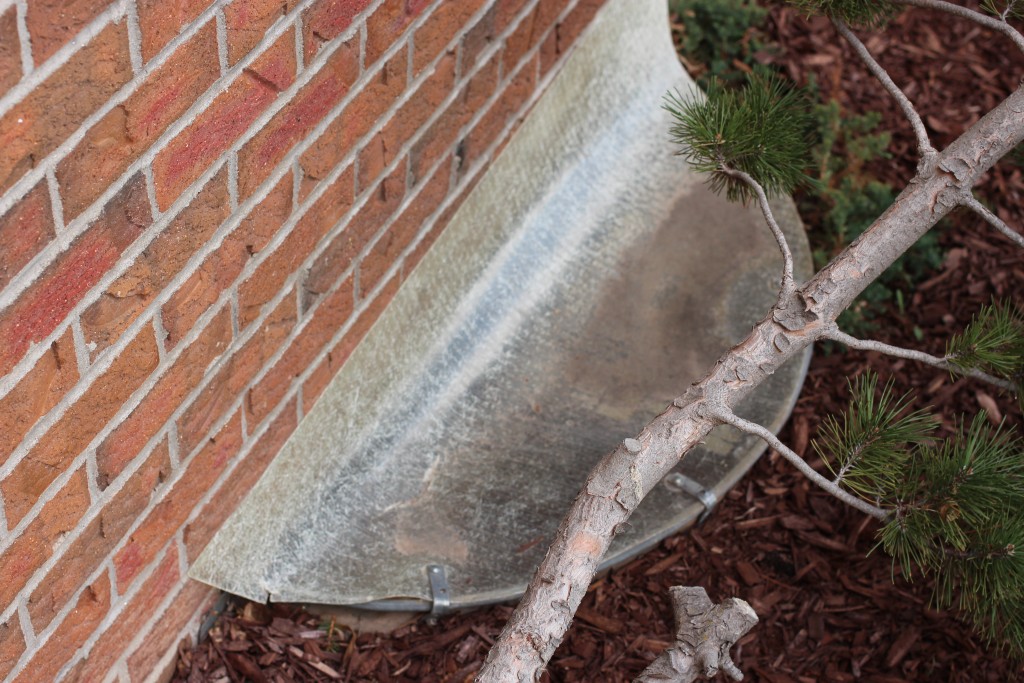
For basement planning, explicitly ask about moisture investigation, drainage changes, existing-system upgrades, floor preparation, window-well work and repairs to adjacent finishes. This is a request to define responsibility—not a claim that every basement needs those projects.
Finally, create an unresolved category. “Subject to inspection” and “repair as needed” are not usable comparison prices. Ask what must be inspected, who decides, how additional work will be priced and whether investigation can happen before signing.
Practical check: Never enter zero for an unanswered item. Write “unpriced” until the contractor supplies a written answer.

4. Use a bid-comparison worksheet and adjust the totals
Copy this worksheet into a spreadsheet. Use included, allowance, excluded or unresolved, plus an amount or explanation, in each contractor column. It is a comparison aid—not a legal contract form.
| Comparison item | Contractor A | Contractor B | Contractor C |
|---|---|---|---|
| Scope/plan version and finished area | — | — | — |
| Demolition and protection | — | — | — |
| Framing, insulation and wall finishes | — | — | — |
| Ceiling finish | — | — | — |
| Flooring and preparation | — | — | — |
| Electrical work and fixtures | — | — | — |
| Plumbing and bathroom scope | — | — | — |
| Heating, cooling and ventilation scope | — | — | — |
| Doors, windows and window wells | — | — | — |
| Moisture/drainage work or exclusions | — | — | — |
| Allowances and adjustment rules | — | — | — |
| Plans, permits and inspections | — | — | — |
| Disposal, cleanup and restoration | — | — | — |
| Owner-supplied work or materials | — | — | — |
| Start, completion and selection dates | — | — | — |
| Deposit and payment milestones | — | — | — |
| Warranty and change-order terms | — | — | — |
| Headline total and unresolved items | — | — | — |
Worked example: the lower headline price loses its lead
Assume two fictional contractors price the same basement layout. After questions, Contractor A provides written additions for missing scope. Both then price the same flooring selection.
These figures illustrate arithmetic only; they are not basement cost estimates.
| Comparison line | Bid A | Bid B |
|---|---|---|
| Original estimate | $40,000 | $44,000 |
| Add omitted permit work and fees | $900 | Included |
| Add omitted debris removal | $700 | Included |
| Add omitted floor preparation | $1,800 | Included |
| Adjustment to the same flooring selection | $1,500 | $500 |
| Comparable-scope total | $44,900 | $44,500 |
Bid A initially appears $4,000 cheaper. After documented scope adjustments, it is $400 higher.
Use this calculation:
Comparable total = quoted price + confirmed missing scope + allowance adjustments − confirmed credits.
Do not add an allowance twice if it is already inside the quoted total. Keep optional work and your own contingency separate. If a material item remains unpriced, label the comparison incomplete rather than manufacturing a precise total.
5. Assign permits, licensing checks, disposal and restoration
Ask your local building department which approvals apply to your actual scope. Then require the estimate to identify who prepares documents, submits applications, pays fees, schedules inspections and handles corrections.
The supplied Fairfax County, Virginia, guidance includes finished basements within residential alterations and recommends that a properly licensed contractor obtain permits as the responsible party. That is a local example, not a universal permit rule.
Verify contractor credentials independently. For example, Loudoun County, Virginia, directs homeowners to Virginia’s DPOR lookup and identifies state contractor and local business-license requirements. It also explains that a local business-tax license is not evidence of workmanship quality. (sheriff.loudoun.gov)
For disposal and restoration, request explicit answers about:
- Removal of demolition debris and packaging.
- Any dumpster charges and placement arrangements.
- Protection of stairs and access routes.
- Cleanup during work and at completion.
- Repair of surfaces disturbed by the agreed project.
CSLB’s contract guidance specifically calls for written cleanup and debris-removal details. (cslb.ca.gov)
Common mistake: Accepting “permits by owner” or “cleanup included” without asking what work and responsibility those phrases leave with you.
6. Compare payment milestones with work completed
Place the payment schedules beside each other. For every installment, ask: What observable work will be complete when this payment becomes due?
Prefer clearly defined milestones over an unexplained request for payment “in week three.” Also compare approximate start and completion dates and ask how delayed selections or approved changes affect them.
The FTC advises against full payment upfront and says some states limit deposits. It recommends checking with the applicable state or local consumer agency. (consumer.ftc.gov)
California example: CSLB’s consumer guide generally limits home-improvement down payments to $1,000 or 10% of the contract price, whichever is less. The guide identifies a limited exception for licensees with qualifying blanket performance and payment bonds. Do not apply that rule nationwide. (cslb.ca.gov)
Before signing, reconcile the deposit and installments with the contract total. Ask what documentation accompanies payments and what local lien-protection procedures apply. Get jurisdiction-specific advice if those terms are unclear.
7. Read warranties and change orders before choosing
Compare contractor workmanship coverage separately from manufacturer warranties. CSLB recommends getting offered warranties in writing, including covered work and duration, and requesting applicable manufacturer warranties. (cslb.ca.gov)
Ask when coverage starts, how to submit a claim, which exclusions apply and who handles product-related service. Do not treat an unexplained “lifetime warranty” as a complete answer.
Next, request the change-order form. As a comparison standard, look for:
- A description of added or deleted work.
- The price increase or credit.
- Any allowance adjustment or markup.
- Effects on payment milestones and completion.
- Written approval before changed work begins.
California’s public sample contract uses these core elements, while the exact legal requirements elsewhere must be checked locally. (cslb.ca.gov)
Finish by asking shortlisted contractors for revised proposals that resolve your worksheet questions. Attach the agreed scope, selections, allowances and exclusions to the final contract rather than relying on conversations. CSLB emphasizes putting verbal promises into writing. (cslb.ca.gov)
Choose among complete offers: comparable scope, verified credentials, understandable payments and clear responsibility. If a material cost or obligation is still unresolved, ask for clarification before signing—not after work begins.